Dr. Amir Ghaznavi is a double board-certified plastic surgeon (American Board of Plastic Surgery, American Board of Surgery) who has performed more than 500 tummy tuck procedures at his Northern Virginia practice. He is one of the few surgeons in the DMV region who has published peer-reviewed research specifically on post-abdominoplasty pain management. His studies on TAP block and liposomal bupivacaine protocols, published in Plastic and Reconstructive Surgery (2017-2018), directly inform the enhanced recovery program he uses for every tummy tuck patient at AMG Plastic Surgery.
Dr. Ghaznavi completed his plastic surgery fellowship at Henry Ford Medical Center and a microsurgery fellowship at Cleveland Clinic, followed by six years as an Assistant Professor of Surgery at Case Western Reserve University. He serves on the American Society of Plastic Surgeons (ASPS) Cosmetic Subcommittee, where he contributes to shaping the national standards for cosmetic procedures including abdominoplasty. This combination of surgical volume, academic research, and national committee involvement is what separates his tummy tuck results from those of surgeons who rely solely on clinical experience.
Tummy tuck surgery in Northern Virginia
Dr. Ghaznavi performs abdominoplasty at AMG Plastic Surgery in Herndon for patients from Reston, Fairfax, Ashburn, and Loudoun County. Over 500 tummy tuck cases. Consultations are in person at the Herndon office.
I’m very happy and pleased with the quality of care and treatment I received at AMG Plastic Surgery. Dr Ghaznavi was very thorough, attentive and caring before, during and after my surgery and continues to be. From the moment I walked in the office, Pam greeted me and helped calm my nerves and has been supportive throughout the entire process and continues to be. I highly recommend this practice for any plastic surgery you need. You will be well taken care of.
What Is a Tummy Tuck?
A tummy tuck, medically called abdominoplasty, is a cosmetic surgery procedure removing extra skin and extra fat from the middle and lower abdomen while tightening the abdominal wall muscles. The goal is to create a well toned abdomen with natural, proportional contours.
Most tummy tucks address three problems at once: excess skin hanging over the waistline, stubborn fat deposits in the stomach area resisting proper diet and exercise, and separated abdominal muscles (a condition called diastasis recti) creating a rounded or protruding belly even when body fat is low.
Tummy tuck surgery is one of the most commonly performed cosmetic procedures in the United States. It is not a weight loss surgery. Candidates should be at or near their ideal weight before the procedure. The surgery removes tissue and tightens structure. It does not replace the need to maintain a stable weight through diet and exercise after the procedure.
Breast and body contouring procedures, including tummy tuck surgery, are among the most commonly sought cosmetic procedures by adults in Northern Virginia.
Tummy Tuck Options: Full, Mini, and Extended
Dr. Ghaznavi evaluates each patient individually and recommends the tummy tuck option matching their anatomy and goals.
Complete Tummy Tuck (Full Abdominoplasty)
A complete tummy tuck addresses the entire abdominal area from the ribcage to the pubic area. Dr. Ghaznavi makes a horizontal incision from hip to hip, positioned low enough so the tummy tuck scar falls within the bikini line or below the pubic hair line. He places the incision consistently 6 centimeters from the vulvar commissure, a precise scar placement protocol keeping the scar as low and concealed as possible.
During a full tummy tuck, Dr. Ghaznavi separates the skin and fat from the abdominal wall, repairs separated abdominal muscles using vertical plication (and T-pattern plication when needed for additional strength), removes the excess skin, and repositions the belly button through a new umbilicoplasty. The procedure typically takes 3 to 4 hours.
A complete tummy tuck is appropriate for patients with significant extra skin across the middle and lower abdomen, weakened muscles from pregnancy or weight fluctuation, and fat deposits extending above and below the navel. This is the most common tummy tuck Dr. Ghaznavi performs.
Mini Tummy Tuck (Partial Abdominoplasty)
A mini tummy tuck focuses exclusively on the lower abdomen, below the belly button. The incision is shorter than a full tummy tuck, the belly button is not repositioned, and recovery is faster. Other patients with loose skin above the belly button or significant muscle weakness across the full abdominal wall need a complete tummy tuck, not a mini.
Extended Tummy Tuck and Body Lift
For patients who have lost a significant amount of weight (through bariatric surgery, GLP-1 medications, or natural weight loss), a standard tummy tuck often is not enough. An extended tummy tuck or circumferential body lift wraps the incision around the flanks and lower back to remove excess skin from the entire midsection. An FDL tummy tuck typically costs more than a standard tummy tuck because of the additional surgical complexity and operating time required.
Dr. Ghaznavi published peer-reviewed research on post-bariatric body recontouring and maintained weight loss outcomes (Plastic and Reconstructive Surgery, 2014) and presented this research at the American Society for Aesthetic Plastic Surgery meeting in Montreal. He stages post-weight-loss procedures in a specific sequence: upper body first (arm lift, breast lift, back lift), then midsection (body lift, FDL tummy tuck, extended tummy tuck), then lower body (medial thigh lift), with 3 months between surgeries to allow safe healing. For many patients, body contouring after weight loss is life changing.
The Tummy Tuck Surgical Procedure
Pre-Operative Preparation
During your consultation, Dr. Ghaznavi evaluates your abdominal skin quality, fat distribution, muscle integrity, and overall health. He reviews your medical history, current medications, herbal supplements, and anti-inflammatory drugs. Patients must stop smoking at least 4 weeks before surgery and stop taking blood thinners, aspirin, anti-inflammatory drugs, and certain herbal supplements (including vitamin E, fish oil, ginkgo, and garlic supplements) at least two weeks before surgery. You will need to arrange for someone to drive you home and stay with you for the first 24-48 hours. Plan to take two weeks off from work and daily responsibilities.
Anesthesia
Tummy tuck surgery is performed under general anesthesia. Dr. Ghaznavi’s enhanced recovery protocols, based on his published research on regional pain management, reduce the amount of narcotic medication needed after surgery. His peer-reviewed studies demonstrated superior pain control with TAP blocks and liposomal bupivacaine compared to traditional pain pump approaches, allowing patients to experience pain at lower levels during the critical first 72 hours.
The Surgical Steps
- Incision: Dr. Ghaznavi makes a horizontal incision from hip to hip, positioned at the lower abdomen so the resulting tummy tuck scar sits within or below the bikini line. For a complete tummy tuck, he also makes a small circular incision around the belly button.
- Muscle repair: The abdominal wall muscles are tightened through plication, suturing the separated abdominal muscles back together at the midline. Dr. Ghaznavi uses both vertical and T-pattern plication depending on the degree of muscle separation. Mesh is used only when a true hernia is present, not for standard muscle repair.
- Skin and fat removal: The excess skin and underlying extra fat are removed from the middle and lower abdomen. The remaining skin is pulled taut and secured.
- Belly button repositioning: In a complete tummy tuck, the belly button is brought through a new opening in the repositioned skin (umbilicoplasty) and sutured into a natural-appearing position.
- Closure: The incision site is closed in layers. Dr. Ghaznavi uses a drainless technique for standard tummy tucks. When extensive liposuction is performed at the same time, drainage tubes are placed to prevent fluid accumulation.
- Operative time: A standard tummy tuck takes 3 to 4 hours. When combined with liposuction or other procedures, total operative time increases.
Recovery After a Tummy Tuck
First Two Weeks
The first two weeks are the most intensive part of the healing process. Swelling, bruising, and tightness in the stomach area are normal. Most patients experience pain well managed with prescribed medication. Walking upright will be difficult for the first several days because of the abdominal tightness, but early walking (starting the day of surgery) is critical to prevent blood clots.
Dr. Ghaznavi provides a custom compression garment worn continuously for the first 3-4 weeks. The compression garment reduces swelling, supports the repaired abdominal wall, and helps the skin conform to the new contour. If drainage tubes are placed, they are typically removed within 1-2 weeks when output drops below a threshold level. Plan to take a minimum of two weeks off from work. You will not be able to lift anything over 10 pounds, bend at the waist, or perform any strenuous activity during this period.
Weeks 3-6
Swelling continues to decrease. Most patients return to desk-based work by week 3. The compression garment transitions to 12 hours per day and is worn for a total of two to three months.
Weeks 6-12
Dr. Ghaznavi clears patients to gradually resume exercise, starting with light cardio. Avoid core-specific exercises for at least six weeks to allow the repaired abdominal muscles to heal fully. The tummy tuck scar begins to mature. It will appear red or pink initially and fades over 6-12 months.
Follow-Up Schedule
Dr. Ghaznavi sees tummy tuck patients at 1 week, 3-4 weeks, 8 weeks, 3.5 months, and 6 months post-surgery. This follow-up cadence allows him to monitor the healing process, assess scar maturation, and address any concerns early.
Tummy Tuck Scars: What to Expect
Most tummy tucks leave a horizontal scar from hip to hip across the lower abdomen. Dr. Ghaznavi places this incision low enough so the tummy tuck scar is covered by underwear and swimwear. The scar also extends around the belly button from the umbilicoplasty. Scars are initially red or pink and firm, then gradually flatten and fade over 6-12 months. Dr. Ghaznavi provides silicone-based scar management products and specific instructions during your recovery visits. Factors worsening scarring include smoking (impairs wound healing), poor nutrition, excessive tension on the incision site, and genetic predisposition to keloid or hypertrophic scarring.
Who Is a Good Candidate for a Tummy Tuck?
Good candidates for tummy tuck surgery:
- Patients whose loose skin is concentrated above the navel rather than the lower abdomen may benefit from a reverse tummy tuck instead of a traditional abdominoplasty.
- Have weakened muscles or separated abdominal muscles (diastasis recti), commonly caused by pregnancy or significant weight fluctuation
- Are at a stable weight and otherwise normal body weight. Tummy tuck is not a weight loss procedure
- Are in good general health with no uncontrolled medical conditions
- Are nonsmokers who have stopped smoking at least 4 weeks before surgery
- Do not plan future pregnancies. Pregnancy after a tummy tuck stretches the repaired muscles and skin, potentially reversing the results. If you plan future pregnancies, postpone the procedure. Wait at least 6-12 months after your last pregnancy and after finished breastfeeding before scheduling
- Have realistic expectations about the outcome
Patients who need to lose weight before a tummy tuck should reach their ideal weight and maintain it for at least 6-12 months before scheduling surgery. Weight gain after a tummy tuck compromises the results.
Risks and Safety Considerations
Tummy tuck is a safe procedure when performed by a board-certified plastic surgeon in an accredited facility, but it is also one of the more complex cosmetic procedures and carries a higher complication rate than most aesthetic surgeries. Surgeon experience and patient selection are the two largest variables in reducing risk.
- Wound healing complications including poor wound healing and delayed healing. Risk factors are smoking, diabetes, obesity, and poor nutrition
- Blood clots (deep vein thrombosis). Dr. Ghaznavi uses sequential compression devices during surgery and requires early ambulation within hours of surgery
- Infection at the incision site. Rare with proper surgical technique and antibiotic protocols
- Seroma (fluid collection under the skin). The drainless technique and compression garment reduce this risk
- Numbness in the abdominal skin. Common and typically resolves over several months
- Contour irregularities. Minimized by surgeon experience and careful surgical planning
- Bleeding. Patients must avoid anti-inflammatory drugs, herbal supplements increasing bleeding (vitamin E, fish oil, ginkgo), and aspirin before surgery.
Combining a Tummy Tuck with Other Procedures
Tummy Tuck and Liposuction
Adding liposuction to a tummy tuck allows Dr. Ghaznavi to contour the flanks, lower back, and areas adjacent to the surgical site. A tummy tuck addresses the front of the abdomen. Liposuction addresses the areas around it.
Mommy Makeover
A mommy makeover combines a tummy tuck with breast surgery (lift, augmentation, or reduction) in a single operation. For many patients, the tummy tuck is the first procedure in this combination. Dr. Ghaznavi performs mommy makeovers with operative times of approximately 5 hours, with a 2-3 week recovery period.
Tummy Tuck and Hernia Repair
Umbilical and ventral hernias are common in patients with separated abdominal muscles. Dr. Ghaznavi repairs these hernias during the tummy tuck using mesh when the hernia defect requires it. Combining hernia repair with a tummy tuck avoids a second surgery and a second recovery.
Tummy Tuck vs. Liposuction: Making an Informed Decision
Choose a tummy tuck if you have loose or hanging extra skin on your abdomen, separated abdominal muscles, or both. Liposuction does not tighten skin or repair muscles.
Choose liposuction if your skin has good elasticity, your abdominal muscles are intact, and your concern is purely localized fat deposits.
Choose both if you have excess fat in the flanks and back (liposuction) and excess skin and muscle weakness in the front of the abdomen (tummy tuck).
Dr. Ghaznavi discusses these tummy tuck options and alternatives during the consultation so you have the information needed to make an informed decision about which cosmetic procedure is right for your body.
Tummy Tuck After Weight Loss
Patients who have lost a significant amount of weight (through bariatric surgery, GLP-1 medications such as Ozempic, Wegovy, Mounjaro, or Zepbound, or natural weight loss) often have significant excess skin throughout the midsection not fully addressed by a standard tummy tuck. Dr. Ghaznavi has published peer-reviewed research on surgical outcomes after massive weight loss (Plastic and Reconstructive Surgery, 2014) and evaluates post-GLP-1 patients using the same evidence-based protocols. He assesses these patients for a standard tummy tuck, FDL tummy tuck, or circumferential body lift depending on the distribution and severity of excess skin. Candidates should be at a stable weight for at least 6-12 months before surgery.
How to Choose a Surgeon for a Tummy Tuck
Choosing the right surgeon is the single largest variable in a successful tummy tuck. Use these criteria to evaluate any plastic surgeon you consider:
- Verify board certification by the American Board of Plastic Surgery. Not every “board-certified” surgeon is certified by the ABPS. Confirm directly at certificationmatters.org
- Confirm the operating facility is accredited. Look for AAAASF, AAAHC, or state licensure. Office-based procedures performed in unaccredited rooms carry higher complication rates
- Ask about case volume specifically for tummy tuck surgery. A surgeon who performs 5 tummy tucks a year is not the same as one who performs 50
- Request before-and-after photos of the surgeon’s own patients. Stock and AI-generated images are common. Ask to see scar placement and outcomes at 6 months and beyond
- Ask whether the surgeon publishes peer-reviewed research or holds national committee positions. These signal active engagement with the standards of care
- Confirm the surgeon will personally perform your surgery. Some practices delegate portions of the procedure to fellows or assistants. Ask directly who will be operating
Tummy Tuck Cost in Northern Virginia
A tummy tuck at AMG Plastic Surgery starts at $13,750. The cost of a tummy tuck varies based on the type of procedure (mini, full, or extended), the complexity of muscle repair needed, whether liposuction or other procedures are combined, the surgeon’s experience and credentials, and the geographic location of the practice. Tummy tuck is a cosmetic procedure and is not covered by health insurance. Patients pay out of pocket.
A consultation fee applies and is credited toward the cost of your procedure. Current fee details are listed on our patient information page. Dr. Ghaznavi provides a detailed cost breakdown during your consultation including surgeon fees, anesthesia, facility costs, compression garments, and post-operative follow-up visits.
We work with Cherry, CareCredit, Alphaeon Credit, and Northwest Federal Credit Union. Approval, rates, and repayment terms depend on the applicant and the lender. Apply directly with the lender to see your options.
Payment options through Cherry Technologies, Inc. are issued by its financing partners: withcherry.com/financing-partners
Frequently Asked Questions About Tummy Tuck Surgery
A tummy tuck addresses the front of the abdomen only, removing excess skin, tightening the muscles, and repositioning the belly button. A body lift (circumferential body lift or belt lipectomy) extends the incision around the entire midsection, addressing the flanks, lower back, and buttocks in addition to the abdomen. Patients with excess skin limited to the front of the abdomen typically need a tummy tuck. Patients with excess skin wrapping around the full torso, common after losing 80 or more pounds through bariatric surgery or GLP-1 medications, typically need a body lift. Dr. Ghaznavi determines which procedure is appropriate during a one-on-one evaluation of your anatomy.
If your primary concern is loose or hanging skin and separated abdominal muscles, you need a tummy tuck. Liposuction does not remove skin or repair muscles. If your skin has good elasticity and your muscles are intact but you have stubborn fat deposits, liposuction alone is sufficient. Many patients benefit from combining both procedures: a tummy tuck for the front of the abdomen and liposuction for the flanks, lower back, and adjacent areas.
A panniculectomy removes only the overhanging skin apron (pannus) and does not include muscle repair or aesthetic contouring. A tummy tuck removes extra skin and fat, tightens the abdominal wall, and repositions the belly button for an aesthetic result. Panniculectomy is sometimes covered by insurance. Tummy tuck is a cosmetic procedure.
Maintain a stable weight through proper diet and regular exercise. Avoid significant weight gain, which stretches the remaining skin and fat. The repaired muscles will hold as long as you do not become pregnant or gain a large amount of weight.
A tummy tuck at AMG Plastic Surgery starts at $13,750. Your final pricing depends on the type of procedure (mini, full, or extended), the complexity of muscle repair, and whether liposuction is combined. See the Tummy Tuck Cost in Northern Virginia section above for the full breakdown and financing options through CareCredit, Cherry, Alphaeon Credit, and Northwest Federal Credit Union.
Yes. Many patients report improvement in lower back pain after a tummy tuck. Tightening the separated abdominal muscles (diastasis recti repair) restores core support to the spine. Weakened or separated abdominal muscles force the lower back to compensate for the lack of core stability, contributing to chronic back pain. Repairing the muscles redistributes the load and provides better structural support.
Dr. Ghaznavi will review your medical history, evaluate your abdominal area (skin quality, fat distribution, muscle integrity), discuss your goals, and explain your tummy tuck options. Your abdominal area will be photographed using standardized photography for surgical planning and for comparison after the procedure. You will leave the consultation with a clear understanding of whether a tummy tuck is the right procedure for your anatomy and goals.
Yes, it is safe, but pregnancy will stretch the repaired muscles and skin, likely compromising the results. If you plan future pregnancies, it is better to wait.
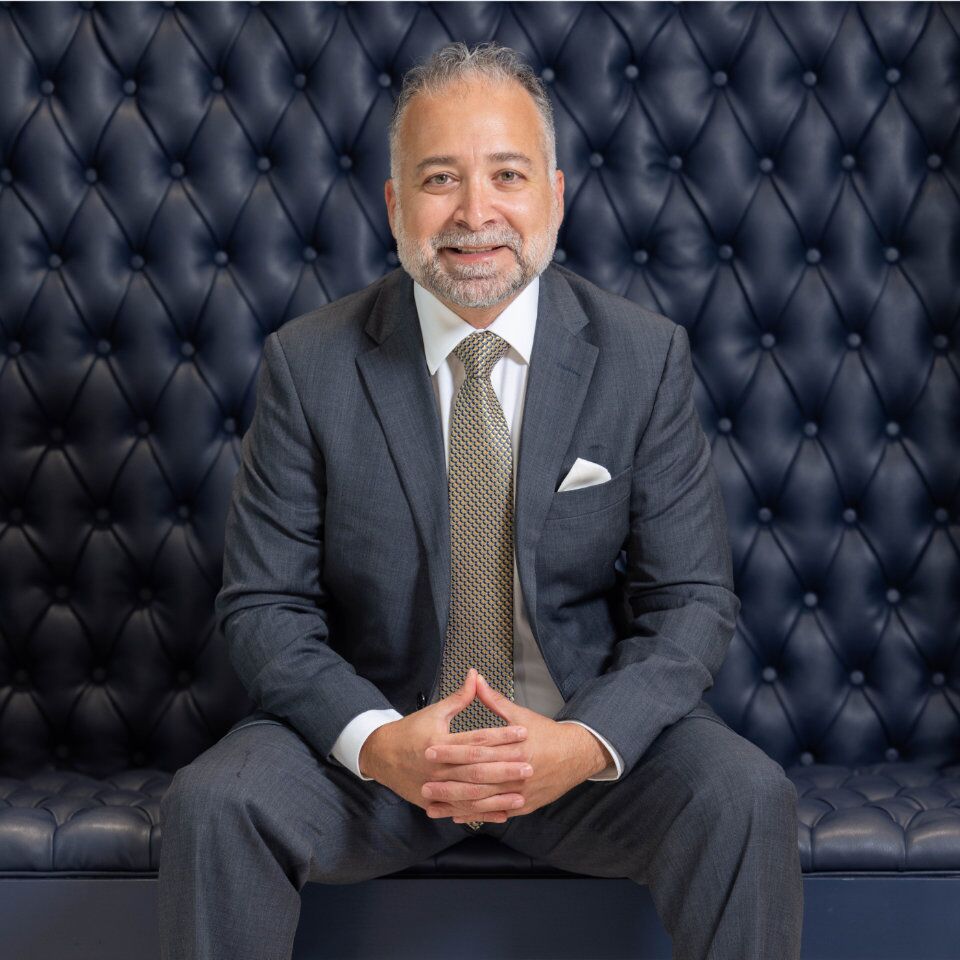
Why Choose Dr. Ghaznavi for a Tummy Tuck in Northern Virginia
- Double board-certified by the American Board of Plastic Surgery and the American Board of Surgery
- More than 500 career tummy tuck procedures, 150 tummy tuck revisions. Patients with a previous tummy tuck considering revision benefit from this dedicated revision experience
- Published peer-reviewed research on post-abdominoplasty pain management (Plastic and Reconstructive Surgery, 2017-2018, ASPS Boston 2015)
- Published research on post-bariatric body recontouring and maintained weight loss (PRS 2014, ASAPS Montreal 2015)
- ASPS Cosmetic Subcommittee member since 2018
- Microsurgery fellowship at Cleveland Clinic
- Precise scar placement protocol (6 cm from vulvar commissure, hip to hip)
- 85+ verified Google reviews from real patients
- Personalized consultation with Dr. Ghaznavi, including standardized photography and treatment planning
- Post-operative follow-up at 1 week, 3-4 weeks, 8 weeks, 3.5 months, and 6 months
Schedule Your Tummy Tuck Consultation in Northern Virginia
If you are considering a tummy tuck to remove extra skin, tighten weakened muscles, and restore a firm abdominal contour, schedule a consultation with Dr. Ghaznavi at AMG Plastic Surgery in Herndon, Virginia. A consultation fee applies and is credited toward the cost of your procedure. Current fee details are listed on our patient information page. Dr. Ghaznavi sees every consultation patient personally, evaluates your anatomy, discusses your tummy tuck options, and builds a surgical plan specific to your body and goals. View real tummy tuck before and after photos from Dr. Ghaznavi’s patients. AMG Plastic Surgery serves patients throughout Northern Virginia, including Fairfax, Ashburn, Reston, Sterling, Loudoun County, and the greater Washington, D.C. area.
Medically reviewed by Amir Mahan Ghaznavi, MD, MBA, FACS on