Breast Fat Transfer in Northern Virginia | AMG Plastic Surgery
Dr. Amir Ghaznavi is a double board-certified plastic surgeon who has performed more than 600 breast augmentation procedures, including fat transfer cases, for patients across Northern Virginia. He is certified by both the American Board of Plastic Surgery and the American Board of Surgery, completed a microsurgery fellowship at the Cleveland Clinic, and serves as Vice-Chair of the ASPS Cosmetic Subcommittee. His liposuction volume, roughly 800 cases across his career, matters here because the quality of a fat transfer depends on how the fat is harvested. Patients from Herndon, Fairfax, Ashburn, Reston, and Tysons choose AMG for breast fat transfer because the surgical plan is built around each person’s anatomy and aesthetic goals.
What Is Breast Fat Transfer
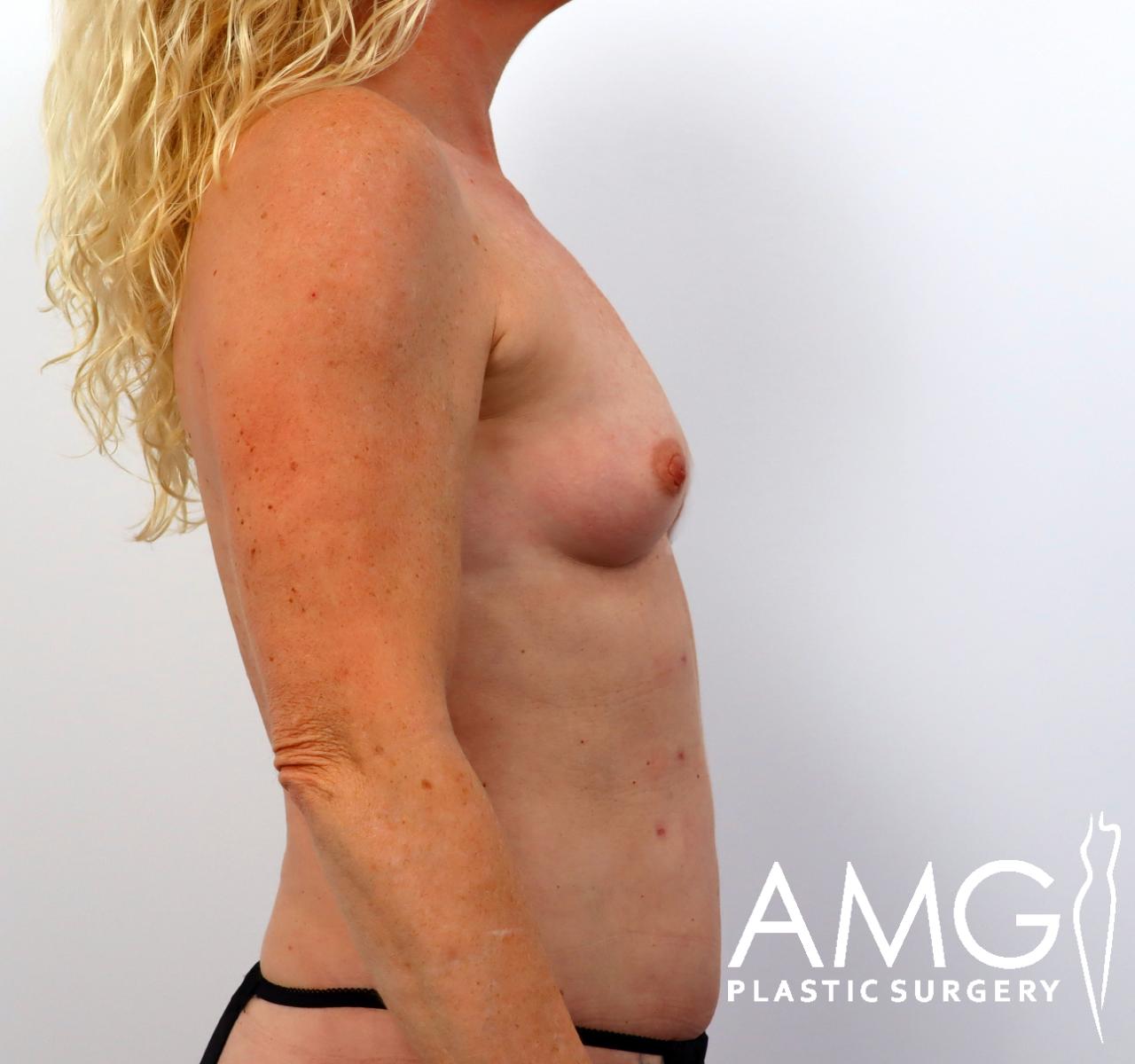
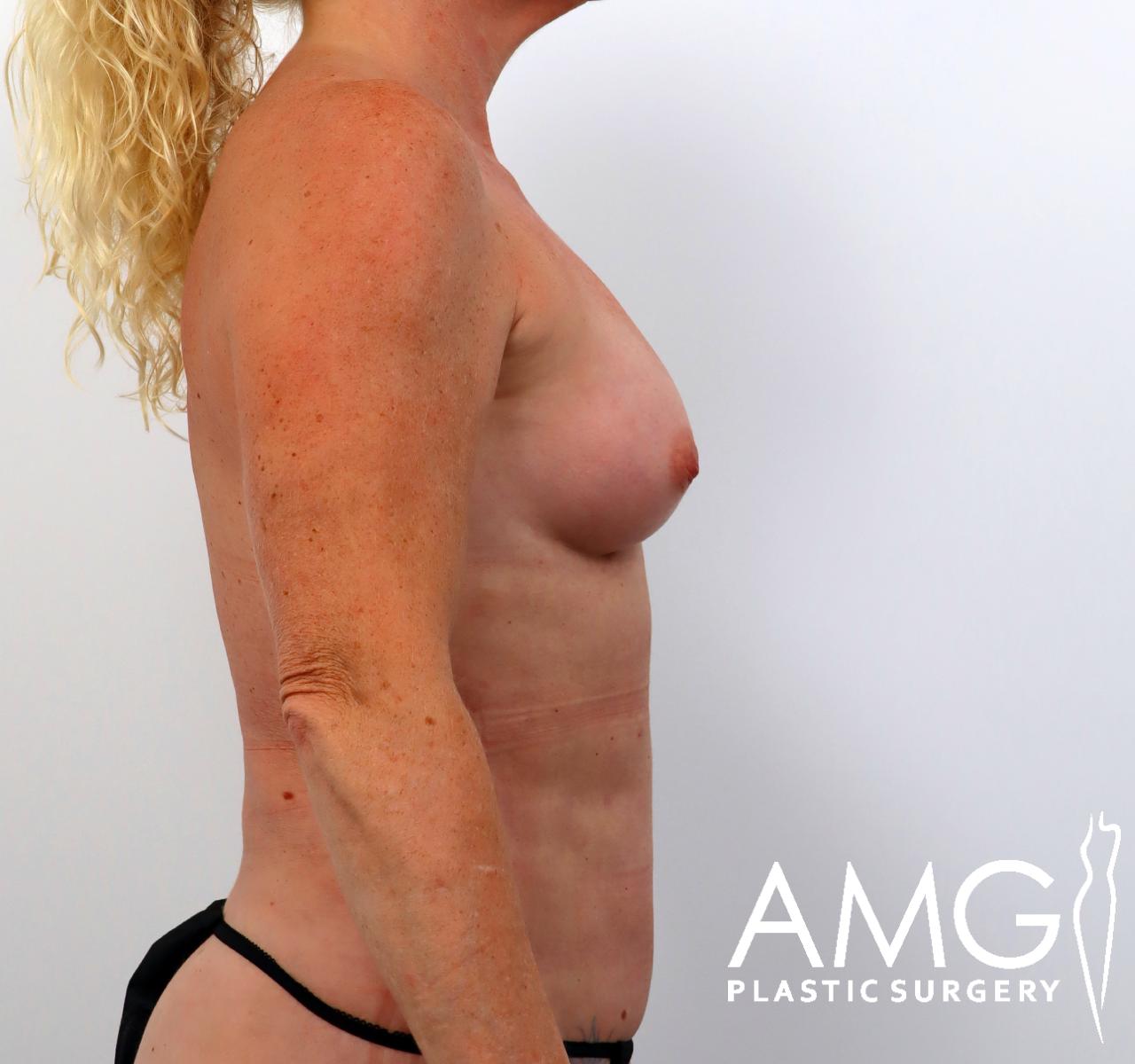
Breast fat transfer, also called fat grafting breast augmentation, is a cosmetic surgery procedure that increases breast volume using the patient’s own fat rather than an implant. Fat is removed from another body area through liposuction, purified, and grafted into the breast. It is an aesthetic procedure for women who want a modest, natural increase in size and a softer result than an implant produces.
Fat transfer and implant augmentation are two procedures with different goals, and each is a distinct surgical option and treatment option among plastic surgery procedures. Patients choose among these different procedures based on how much size they want. Fat grafting suits an increase of about one cup size, which is the realistic ceiling for the procedure. Implants suit a larger, more defined change. Some patients combine fat grafting with a lift, and a mommy makeover breast augmentation joins breast work with a tummy tuck and other procedures in one surgical plan.
This page covers fat transfer to the breast. For chest enhancement as part of gender-affirming care, see our MTF chest enhancement page. For fat grafting to the buttocks, see our Brazilian butt lift page.
Why Patients Seek Breast Fat Transfer
Patients seek fat grafting for reasons tied to body image, self-confidence, and self esteem. Many patients find that clothing choices improve and that a more balanced, toned appearance follows the surgery. Other patients pursue fat transfer to correct asymmetry, to restore a youthful appearance after future pregnancies, or to rebuild volume lost through weight loss.
The appeal is specific. There is no implant to maintain or exchange later, the incision site is small, and the donor area is contoured at the same time. Fat grafting also does two things an implant cannot. It adds fullness along the cleavage line for patients who want more medial pull, and it softens visible rippling from an existing implant. The procedure can be life changing for the right candidate, and a positive outlook and general well being help both recovery and satisfaction. Patients achieve the most satisfying final results when their goals are specific and their expectations are realistic. Dr. Ghaznavi treats fat grafting as one part of a broader conversation about aesthetic goals and body contouring surgery.
Are You a Candidate for Breast Fat Transfer
A good candidate is in good health, a non-smoker, and able to make an informed decision with realistic expectations. Candidates should be in good overall health, non-smokers, with realistic expectations about what fat grafting can accomplish. Candidates should be free of chronic conditions like uncontrolled diabetes or heart disease that could hinder recovery, and free of medical conditions that raise surgical risk, such as coronary artery disease.
Fat transfer has one requirement implants do not. The patient needs enough donor fat. Very lean patients often lack the excess fat to harvest, which makes an implant the better surgical option. Patients close to their ideal body weight, ideal weight, or normal weight tend to see more predictable results, and holding a stable weight before surgery reduces the effect of later weight fluctuations. Breast fat transfer is not a weight loss procedure. Before surgery, patients should hold a goal weight near their normal body weight and avoid rapid efforts to lose weight or gain weight, since weight gain afterward changes the result.
Lifestyle changes such as diet and exercise, a proper diet, and steady skin elasticity support healing. A significant amount of excess skin or sagging skin may point to a lift rather than grafting alone, and genetic factors and any previous surgery also affect the outcome. Many surgeons opt to wait until a patient has completed family planning. A physical examination and a review of medical history, current medications, previous surgeries, and any prior procedure confirm candidacy.
Patients without enough donor fat, or who only need a small correction, can ask Dr. Ghaznavi about alloClae for implant rippling and small contour corrections.
I had an arm lift and a breast lift after weight loss, and I’m very pleased with the results. I’ve felt completely supported and well cared for this entire journey, and would absolutely recommend this practice to anyone seeking a good plastic surgeon.
The Consultation Process at AMG
The initial consultation begins with a pre-qualification call, then a one-on-one evaluation with Dr. Ghaznavi. Consultations typically involve evaluating the patient’s medical history and discussing surgical goals. He performs a physical examination, reviews lab tests when needed, discusses current medications, herbal supplements, and anti inflammatory drugs that increase bleeding, and builds a customized surgical plan.
He assesses donor sites and breast tissue together, because the two decide what is achievable in one session. Sizing uses standardized photography. During the consultation, Dr. Ghaznavi provides information on his specific technique and the team involved in the procedure. Virtual consultations are offered for patients traveling from McLean, Sterling, Loudoun County, and the greater Washington DC area. Every treatment plan is built to fit the individual.
Surgical Techniques for Breast Fat Transfer
Fat grafting is performed under general anesthesia, or in select cases local anesthesia or regional anesthesia with intravenous sedation. General anesthesia or local anesthesia with sedation is used to ensure no pain is felt during the surgery. The procedure runs in three stages. Fat is harvested by liposuction from body areas chosen with the patient, most often the abdomen, flanks, or thighs. The areas treated are contoured as part of the same operation. The fat is then purified, and this step decides how much of the graft survives. Dr. Ghaznavi uses the PureGraft filtration system, which filters blood, free lipids, and waste fluid out of the harvested fat, and the Viality system from Tiger Aesthetics, which washes the fat to support cell survival before it is placed. The purified fat is grafted into the breast in small deposits so each parcel sits close to a blood supply.
This is a minimally invasive procedure at the donor site. Minimally invasive procedures typically involve tiny 3-5mm incisions, resulting in minimal, easily concealed scarring. Dr. Ghaznavi applies advanced techniques and, in complex cases, advanced treatment approaches drawn from reconstructive plastic surgery. A local anesthetic at the incision site limits blood loss so patients do not experience pain during the procedure. Published comparative study data on grafting guides how much volume is placed in a single session. Careful closure helps minimize scarring.
Not all grafted fat survives. A portion is reabsorbed over the first three to six months, and the remaining tissue becomes the final volume. Placing fat in modest, well-distributed amounts protects survival, which is why a second session is sometimes planned rather than overfilling once. Patients who want longer-lasting support after a breast lift or augmentation are also considered good candidates for the internal bra technique, which reinforces the natural tissue.
Recovery After Breast Fat Transfer
The recovery process is steady and predictable for most patients. The initial recovery from cosmetic surgery procedures typically takes one to two weeks, with full recovery around six weeks. Swelling and bruising, soreness, and numbness in the treated area are normal early in the recovery period, and pain medication controls discomfort during the first days. Common side effects following cosmetic procedures include swelling, bruising, soreness, and numbness in the treated area. The donor site is often more uncomfortable than the breast.
Patients wear a compression garment over the liposuction sites and a support bra over the breasts. Compression garments help reduce swelling and support wound healing. Light activities resume within a week, normal activities return over two to three weeks, and strenuous activity, heavy lifting, and strenuous exercise are limited longer. A recovery period of about a month off from normal activities is expected, with longer restrictions on strenuous exercise. Strenuous exercise and sexual intercourse should generally be avoided for four to six weeks following surgery. Follow-up appointments at one week, three to four weeks, and later confirm healing, and detailed instructions guide care in the recovery room and at home.
Risks and Realistic Expectations
Every surgical procedure carries risk. Common complications include infection, bleeding, fluid collections, and poor wound healing. General surgical risks include infection, hematoma, seroma, and blood clots. Additional potential complications include seromas, excess fluid, delayed healing, wound separation, poor scarring, widened scars, and scar tissue that may need scar revision. Grafting carries two specific risks: partial fat reabsorption, and small firm areas of fat necrosis or oil cysts that occasionally need treatment. These are low risk in healthy non-smokers, and careful patient selection maintains a high success rate.
Smoking severely impairs the healing process and increases the risk of complications, and candidates must quit well in advance. Patients are typically advised to stop smoking at least one month before surgery and for two weeks after, as smoking can increase the risk of complications and delay healing. Smoking matters more in fat grafting than in most procedures, because grafted fat depends on new blood supply to survive. Realistic expectations matter as much as technique. This is an invasive procedure, results settle over several months, and a single session produces a modest increase rather than a dramatic one.
Cost of Breast Fat Transfer in Northern Virginia
The cost of breast fat transfer varies with the number of donor areas treated, the volume grafted, whether a second session is planned, whether a lift or other procedures are combined, the surgeon’s experience, and the geographic location of the practice. Breast fat transfer is a cosmetic procedure and is not covered by health insurance, so patients pay out of pocket for this elective surgery.
AMG offers financing so patients can manage the cost. Financing partners include CareCredit, Cherry, Alphaeon Credit, and Northwest Federal Credit Union. Cherry offers terms from 3 to 60 months with 0% APR available for qualifying applicants. A $150 non-refundable consultation fee reserves the one-on-one evaluation with Dr. Ghaznavi. The team reviews the full surgical plan and financing options during the consultation so each patient can make an informed decision.
How to Choose a Surgeon for Breast Fat Transfer
Choose by credentials, case volume, and facility. Surgeons should be certified by the American Board of Plastic Surgery, which is considered the gold standard for this specialty. Surgeons specializing in breast surgery and performing hundreds of cases each year tend to provide more consistent results. Fat grafting rewards liposuction skill specifically, since roughly harvested fat survives poorly, so ask how the surgeon harvests and processes it.
Evaluate the surgical facility as well. It is recommended to evaluate the surgical facility’s accreditation and ensure it is state-licensed or accredited by a national agency like AAASF or The Joint Commission. Reputable practices pair experienced surgeons with validated local testimonials, which points to quality care after surgery. Ask each surgeon to explain their specific technique and the team involved.
Why Patients Choose Dr. Ghaznavi
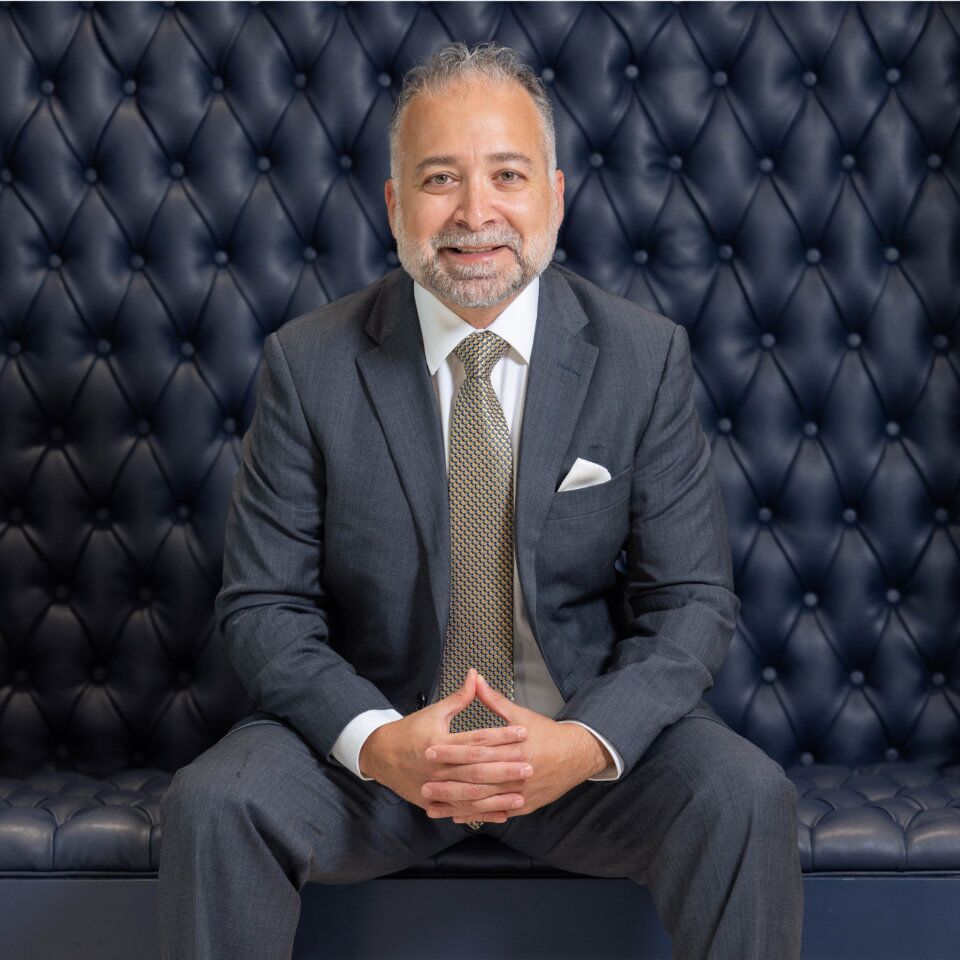
Dr. Ghaznavi brings a reconstructive foundation to cosmetic breast surgery that most Northern Virginia cosmetic-only surgeons do not have. As a double board certified surgeon, his Cleveland Clinic microsurgery fellowship and role as ASPS Cosmetic Subcommittee Vice-Chair since 2018 shape how he plans each case. His high-volume liposuction experience, roughly 800 cases across his career, is directly relevant, because fat transfer results are decided at the harvest as much as at the injection.
Patients from Fairfax, Ashburn, Tysons, Loudoun County, and Washington DC choose AMG for surgical judgment and individualized planning. The practice holds 85 verified Google reviews from real patients, and the pattern across them is consistent: careful listening at the consultation, honest guidance on candidacy, and results that match the plan built at the first visit.
Frequently Asked Questions About Breast Fat Transfer
Fat transfer uses your own liposuctioned fat for a smaller, natural increase with no implant to maintain, and it contours the donor area at the same time. Implant augmentation uses a silicone or saline device and achieves a larger, more defined increase in size. Fat grafting realistically adds about one cup size and not more than that. The right choice depends on your goals, your body type, and how much donor fat you have.
If you want a modest increase, prefer no implant, and have enough donor fat, grafting fits. If you want a larger increase, or you are very lean, an implant fits better. If your breasts sag, you may need a lift with either option. A physical examination settles it.
A portion of grafted fat is reabsorbed over the first three to six months. What is still there at six months is what you keep for the rest of your life. That fat has established a blood supply and behaves like the rest of your tissue, gaining or losing with weight changes. Placing modest volumes improves survival.
Some patients do. Because a single session adds a limited amount safely, patients wanting a larger increase often plan a second session after the first has settled.
Breast fat transfer is a safe procedure when it is performed by a board-certified plastic surgeon in an accredited facility. Choosing a surgeon who performs breast surgery and liposuction regularly and following pre-operative and post-operative instructions lowers the risk of complications.
Results are generally long-lasting once the grafted fat establishes itself, although future weight fluctuations, pregnancies, and aging alter the outcome. Maintaining a stable weight and a healthy diet with regular exercise supports the result.
Schedule a Consultation
To schedule a breast fat transfer consultation with Dr. Ghaznavi, contact AMG Plastic Surgery in Herndon. The team serves Northern Virginia, including Fairfax, Ashburn, Reston, Tysons, McLean, Sterling, Loudoun County, and Washington DC. Book your evaluation to review your options.
Medically reviewed by Amir Mahan Ghaznavi, MD, MBA, FACS on